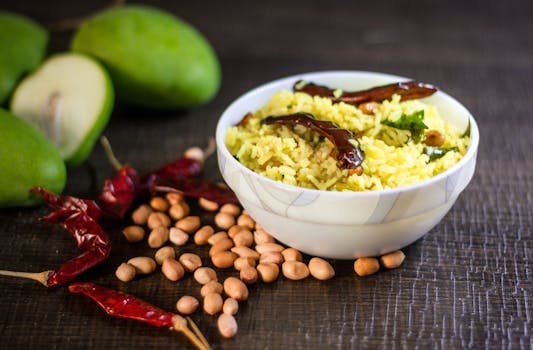
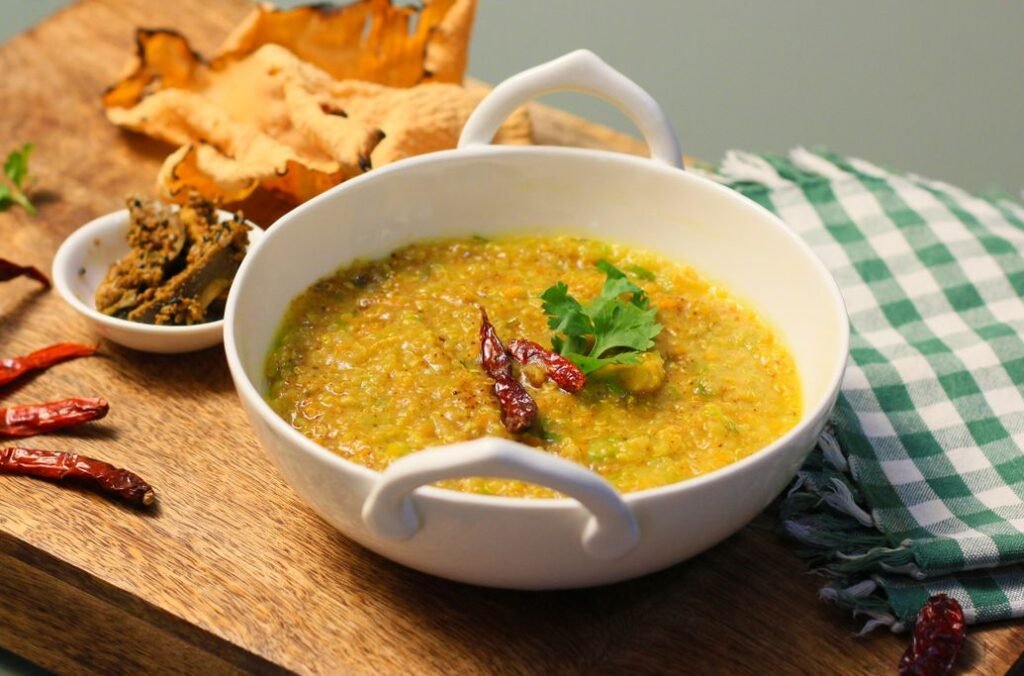
Do you reach for a warm and comforting one-pot meal whenever your stomach feels heavy-unsettled or you do not have any energy to cook a full dinner?
You will love this Kitchari – a simple rice and lentil bowl that eases your stomach rhythm.
- 📊 Kitchari Benefits
- Why this Kitchari or Khichari bowl Helps
- The Warm Rice‑and‑Lentil Bowl That Works on Any Gentle Eating Day
- Kitchari Troubleshooting
- Kitchari Q&A
- What exactly is Kitchari?
- Why is Kitchari easy to digest?
- Can Kitchari help on days when my stomach feels heavy or slow?
- Does Kitchari help release gas or reduce bloating?
- Should I limit spices if I’m making Kitchari for stomach heaviness?
- Should I reduce oil or ghee on slow stomach days?
- Are there many variations of Kitchari?
- Can I add vegetables to Kitchari?
- How should the texture be for a soothing bowl?
- How do I know if my Kitchari is too heavy for a slow stomach day?
Kitchari is not just a recipe; it is a comfort in a bowl – the kind of meal that doesn’t overwhelm your stomach and your schedule.
This is the comfort bowl I looked forward for whenever seasonal shift made my stomach heavy in my childhood. My grandma would make this staple on a wood stove in a clay pot; and ask – ‘if you do not feel to eat anything, just have this Kitchari’ – it will help your stomach.
📊 Kitchari Benefits
It is a simple one-pot meal that is made of short grain rice and split moong beans – also called moong lentil. Kitchari is easy to make and very easy on stomach. It can be a light meal on heavy stomach days or quick meal on busy schedules.
Kitchari pairs perfectly with Kadhi – gram flour soup, homemade dahi (yogurt) & any other soups.
Why this Kitchari or Khichari bowl Helps
Khichari is a combination of two easy-to-digest ingredients: rice and moong.
- Rice is easy to digest, especially when it is well cooked.
- Rice is one of the most soothing foods for heavy stomach. It is soft, easily digestible nature makes it passing like a smooth paste through your stomach.
- As rice breaks down easily, it does not put your stomach to overload – providing much needed comfort your busy stomach seeks.
- Warm & well-cooked rice – especially white rice varieties or lightly polished rice – helps stomach to release gas and create a sense of grounding. Hence rice is the first grain the body welcomes back when stomach needs simplicity and ease.
- The moong bean is the only dry bean that is easy to digest.
- Other dry beans take longer to digest and very prone to producing gas in stomach. So, if you are cooking khichari to ease stomach rhythm, do NOT replace moong lentil or moong split with any other dry beans or lentils.
🗺️ For Your Wellness Journey
Want to know if heavy, fiery, or scattered elements are the primary drivers of your body energy patterns today?
Take our 2-minute Current Body Rhythm Quiz to uncover your personalized profile.
🌿🌿🌿
The Warm Rice‑and‑Lentil Bowl That Works on Any Gentle Eating Day
Khichari or Kitchari – a simple porridge made of rice and moong lentil—just like any rice dish, it is very easy to make.

Material
- 1/4 cup of rice (regular rice of your choice – thick grain works better)
- 1/4 cup moong lentil (with skin)
- Or you can make this Kitchari dry mix and use it – if you are making Kitchari often
- Salt to taste
- 1/4 teaspoon Turmeric
- 2 cups water
Method
- Take moong lentil in a mixing bowl.
- Add rice (regular rice of your choice) – short grain white rice works best for stomach.
- Wash the dry mix few times.
- Add 2 cups of water, salt to taste, and turmeric, and mix it.
- Cook the mixture in an Instant Pot on low pressure for about 16-18 minutes. Or cook on the stovetop in an open pot at medium heat.
- Let cooker release the pressure, open the lead carefully.
- When the Instant Pot is open, mix the khichari well & add warm water if porridge is thicker than you like. It will be slight thicker in few minutes.
- Add one teaspoon of ghee (optional).
Kitchari Troubleshooting
🌿You will see many variations of this recipe online, with added spices, vegetables, and sautéed versions too. As basic khichari tastes a bit bland, people add flavors and spices to make it appetizing.
🌿However, if you are using khichari to settle your stomach, I recommend following this recipe. Do NOT add any other ingredients or vegetables.
🌿If it gets too thick, add boiled water and bring it to oatmeal consistency at least.
🌿Khichari stays good in refrigerator for about 2-3 days, however you need to warm it very well to reuse it.
🌿If it gets too thick, add some boiled water and mix well – before eating it.
Kitchari Q&A
What exactly is Kitchari?
Kitchari is a simple, well cooked blend of short grain rice and moong lentils with a pinch of turmeric and salt. It’s a warm, gentle bowl that feels steadying and easy on the stomach.
Why is Kitchari easy to digest?
Short grain rice and moong lentils soften beautifully when cooked together, creating a smooth, porridge like texture that’s naturally gentle on the stomach and doesn’t require much digestive effort.
Can Kitchari help on days when my stomach feels heavy or slow?
Yes — many people reach for Kitchari on slow or heavy stomach days because it’s warm, simple, and grounding. It doesn’t overwhelm the stomach and can feel soothing when digestion needs something uncomplicated.
Does Kitchari help release gas or reduce bloating?
Moong lentils are known for being lighter than other lentils, and when cooked very soft with rice, they can feel calming and help ease that “tight, gassy” feeling. The warmth of the bowl also supports natural stomach rhythm.
Should I limit spices if I’m making Kitchari for stomach heaviness?
Yes — keep spices minimal. A pinch of turmeric and salt is enough. Avoid strong spices like chili, garam masala, hing, or heavy tadkas, which may irritate a sensitive stomach.
Should I reduce oil or ghee on slow stomach days?
Yes — use very little oil or ghee. Heavy fats can feel overwhelming when your stomach rhythm is slow. A tiny drizzle is fine, but the bowl should stay light and simple.
Are there many variations of Kitchari?
There are dozens of versions — some with vegetables, spices, or ghee. But the simplest version (rice + moong + turmeric + salt) is the one people choose for gentle eating days because it’s the easiest to digest.
Can I add vegetables to Kitchari?
You can, but if your stomach feels heavy, skip vegetables that are harder to digest (like cauliflower, cabbage, peppers). If you want to add something, choose soft vegetables like zucchini or carrots, cooked very well.
How should the texture be for a soothing bowl?
Soft, porridge like, and almost creamy. The more it’s cooked down, the gentler it feels. Think “well cooked rice bowl,” not a dry pilaf.
How do I know if my Kitchari is too heavy for a slow stomach day?
If it has:
- too much oil
- too many spices
- too many add ins
- too much texture …it may feel heavier. The simplest version is always the most soothing.
🌾 Anchoring Your Daily Rhythm
When routines feel scattered, welcoming stillness back into your home starts with a simple shift in your evening flow.
Clear mental pacing and build steady, grounding focus using easy, beginner-friendly habits.
Get Your Grounding & Warming 3-day Plan
🌿🌿🌿