
Have you ever noticed that your unsteadiness shows up on days when you’re overheated, stressed, dehydrated, or running on an empty stomach?
Have you ever noticed a sudden room tilt or a quick flash of lightheadedness on days when you feel overheated, stressed, or running on empty?
This sharp, sudden, heat-triggered imbalance is a classic sign of rising internal heat (traditionally called Pitta).
When your internal temperature or intensity levels spike from a long day in the sun or a fiery meal, that heat rises toward your head.
It overstimulates your natural balance system, making you feel lightheaded, pressured, or unsteady in an instant.
Quick Summary
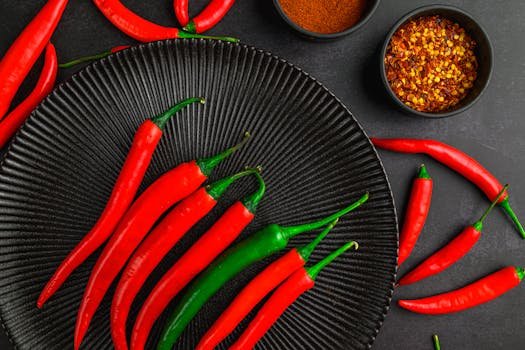
- The Spicy Trigger: Hot, intense elements like red chili flakes cause internal heat to rise sharply toward the head, disrupting your natural balance.
- The One-Step Swap: Swapping fiery red chili for warming but grounding black pepper delivers rich flavor without overstimulating your system.
- Grounded Habits: Eating meals on time and choosing cooling daily rhythms keeps your internal temperature steady and minimizes sudden dizziness
Swap Red Chili Flakes for Black Pepper
The fastest way to cool down rising head pressure and prevent sudden unsteadiness is to audit your spice cabinet.
Red chili flakes and cayenne pepper are pure heat.
They immediately ignite your digestive fire, forcing heat upward into the head and triggering sudden lightheadedness.
Make this one simple swap:
Use freshly cracked black pepper instead of red chili flakes or powder.
Why This Spice Swap Works
While red chili packs a sharp, aggressive, and long-lasting heat that destabilizes your system, black pepper acts differently.
Black pepper is warming and aids digestion, but it is fundamentally grounding. It stimulates the stomach without causing a massive upward spike in body temperature.
This simple swap satisfies your craving for a flavor kick while keeping your internal temperature cool, your head clear, and your physical balance completely steady.
The Lifestyle Angle: Calming Rising Intensity
In traditional lifestyle frameworks, internal heat represents the fire and water elements in the body, governing metabolism and focus.
When you consume highly spicy foods, experience intense stress, or skip meals, you over-fuel this fire.
The excess heat naturally travels upward, creating a “hot fog” or a quick flash of unsteadiness.
Choosing mild, non-spicy spices like black pepper keeps the metabolic fire burning efficiently without letting the heat boil over into your head.
Keep Moving with Total Steadiness
Ready to take control of your daily physical energy?
Use this spice swap alongside regular, timely meals to stop heat-triggered lightheadedness before it starts.
Question and Answer
Q: Why does spicy food make my lightheadedness worse?
A: Spicy foods like red chili create instant internal heat. This heat rises to the head, creates pressure, and overstimulates the inner balance pathways.
Q: Will black pepper give me the same flavor kick without the spinning?
A: Yes. Black pepper provides a robust, pungent flavor and stimulates digestion efficiently without triggering the intense upward heat spike caused by red chili.
Q: What is the most important meal habit to prevent this type of lightheadedness?
A: Eating your meals on time. Skipping meals or leaving long gaps between eating creates a sudden dip in stability and triggers a sharp rise in internal heat.
🗺️ For Your Wellness Journey
Want to know if heavy, fiery, or scattered elements are the primary drivers of your mind-body energy patterns today?
Take our 2-minute Current Body Rhythm Quiz to uncover your personalized profile.
🌿🌿🌿
You can also explore our Mood Rhythm Quiz to see how your daily routines interact with your mental clarity!
🌿🌿🌿
While this article focuses purely on heavy element imbalances, you can view the complete, high-level overview of how these natural forces impact your balance in our general spatial awareness post.
🌿🌿🌿
If this brought you clarity today, feel free to share it with someone who might need it.