Spring allergies have a rhythm of their own. If your child wakes up with puffy eyes, a stuffy nose, or that unmistakable “morning allergy face,” you’re not imagining it.
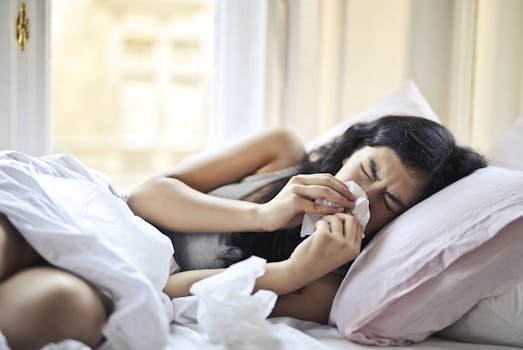
Many families notice that spring allergies are worse in the morning and often flare up again at night — even when the day felt completely manageable.
Before we get into the science and the seasonal patterns, let me share a moment that captures this perfectly.
When my kids were little, bedtime always felt like the moment the whole house finally exhaled. Toys settled, lights dimmed, and the day’s noise softened into a quiet hum.
But spring had its own plans. Just when everything felt calm, it was as if the night gently lifted a hidden curtain — revealing things we didn’t notice during the day.
A faint tickle in the nose.
A sudden sneeze.
Eyes that looked a little heavier than they did at dinner.
It reminded me of how dust looks invisible until a beam of sunlight hits it. The particles were always there — but the light made them visible.
Spring allergies behave the same way.
The irritants are around us all day, but night and early morning act like that beam of light, revealing what the body has been quietly holding onto.
By the time morning arrives, it’s as if the body has spent the whole night whispering, “I’ve been dealing with this… and now you can finally see it.”
And that’s exactly why mornings feel heavier.
What We Know So Far
Why spring allergies get worse at night and early morning
1. Pollen levels peak at dawn
Tree pollen often rises between 5 AM and 10 AM, which explains why allergies are worse in the morning even if your child slept well. Pollen that entered the home during the day settles on surfaces and becomes airborne again with movement.
2. Lying down increases facial swelling
When the body is horizontal, fluid shifts toward the face. If your child already has irritated sinuses, this leads to morning puffiness from allergies, swollen eyelids, and that heavy, congested feeling.
3. Histamine levels rise overnight
Histamine — the chemical behind itching, sneezing, and swelling — follows a circadian rhythm. It naturally increases at night, making the body more reactive to allergens and explaining why allergies get worse at night.
4. Indoor triggers amplify symptoms
Soft toys, bedding, carpets, and pet dander trap allergens. Even if outdoor pollen is the main issue, indoor buildup creates a “double exposure” effect that worsens nighttime allergy symptoms.
5. Dry indoor air irritates the nasal lining
Heaters and low humidity dry out the protective mucous membranes, making it harder for the body to filter allergens.
What improves when nighttime patterns are supported
- Less morning swelling
- Softer, easier breathing
- Reduced eye irritation
- Better sleep quality
- Calmer mornings with fewer surprises
What’s most affected
- Eyes (itching, watering, puffiness)
- Sinuses (pressure, congestion)
- Mood and energy
- School readiness
- Morning routines
Related Research & Data
- Studies show tree pollen counts peak early morning, aligning with the timing of symptoms.
- Research on circadian biology confirms that histamine levels rise at night, increasing reactivity.
- Indoor air studies reveal that pollen can remain suspended for hours, especially in fabric-heavy rooms.
- Children experience stronger symptoms because their airways are smaller and more sensitive, making swelling more noticeable.
These findings help explain why spring allergy symptoms in the morning feel so intense.
The Brioveda Lens
Ayurvedic explanation (dosha angle)
Spring is a Kapha-dominant season, marked by heaviness, coolness, and moisture. Early morning (6–10 AM) is also a Kapha time of day.
When pollen irritates the system:
- Kapha qualities amplify swelling, congestion, and fluid retention
- Vata becomes reactive, triggering sneezing, itching, and sudden flare-ups
- Agni (metabolic fire) dips at night, slowing the body’s ability to process irritants
This creates a moment where Kapha buildup meets Vata reactivity, making morning allergy symptoms feel heavier and more noticeable.
Ritual
Gentle, practical steps that help reduce morning allergy symptoms naturally:
- A warm shower before bed to remove pollen from hair and skin
- Light, early dinners to reduce overnight inflammation
- A simple face and neck massage to support lymphatic flow
- Keeping bedroom windows closed during high-pollen weeks
- Using a humidifier to prevent dryness
- Changing pillowcases more frequently
- Keeping soft toys off the bed
- Brushing off jackets, bags, and hair before entering the bedroom
These small shifts help reduce nighttime allergy flare-ups and soften morning discomfort.
Tips for Easier Mornings
- Use a gentle saline rinse to clear congestion
- Offer warm water upon waking
- Step outside briefly once pollen peaks pass
- Keep tissues and a soothing eye compress ready
- Use soft lighting and slow transitions to reduce overwhelm
If spring mornings feel heavier in your home, you’re not alone. Understanding why spring allergies hit harder at night and early morning helps you support your family with confidence.
For gentler, science‑aware, Ayurveda‑inspired guidance, join the Brioveda community. We explore simple routines and seasonal wisdom that help families feel lighter, calmer, and more grounded.
Curious about your mind–body type? Take the gentle, beginner‑friendly Dosha Quiz.
New to Brioveda? Start here for simple, grounding steps to feel more like yourself.
Ready for a small, doable shift? Join the 7‑day Mindful Living Challenge.
Q & A
Q: Why are my child’s eyes puffy in the morning from allergies?
A: Fluid shifts, early‑morning pollen peaks, and nighttime histamine levels all contribute.
Q: Why do allergies get worse at night?
A: Histamine rises, indoor allergens accumulate, and lying down increases congestion.
Q: Is morning congestion a sign of a cold?
A: Not always. Allergies often cause itching and puffiness, while colds bring fatigue and fever.
Q: Can indoor air make spring allergies worse?
A: Yes — pollen, dust, and pet dander can linger in fabrics and carpets.
Q: Are kids more sensitive in the morning?
A: Yes — their smaller airways make swelling more noticeable.
Takeaway
Spring allergies follow a rhythm. Once you understand why allergies are worse in the morning and at night, you can support your child with simple, gentle routines that make each day feel lighter.
With awareness and small shifts, mornings can become calmer, clearer, and far less overwhelming.
If this brought you clarity today, feel free to share it with someone who might need it.