
What Is Immunity? A Simple Guide to How It Works and What Affects It

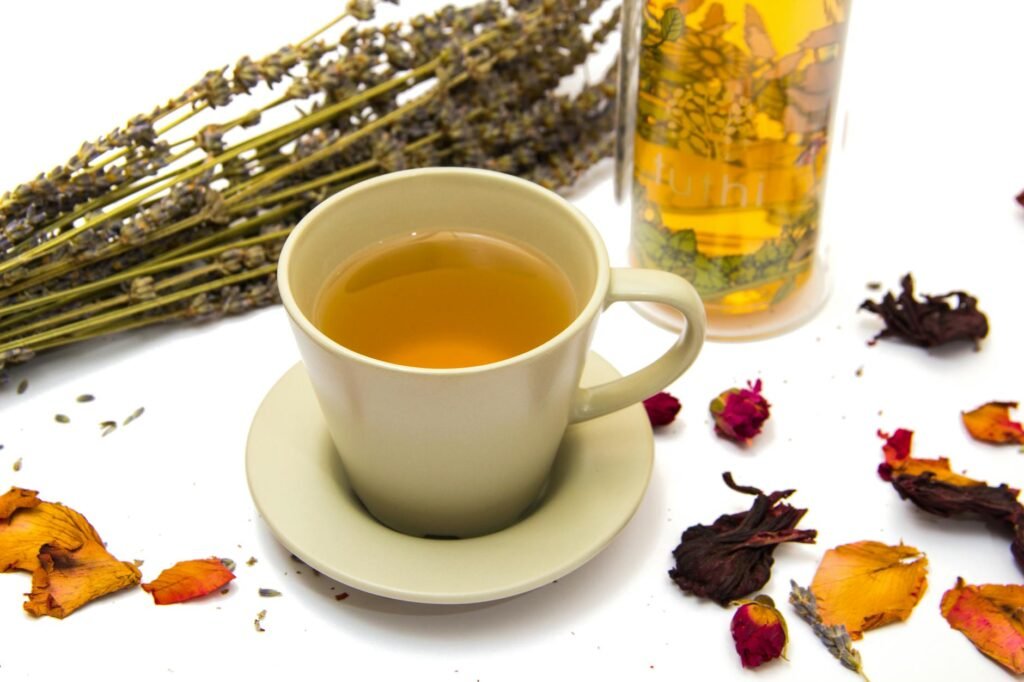
A soothing herbal tea

We spend so much of childhood running from needles and so much of adulthood trying to understand what those needles were quietly building inside us. Immunity isn’t loud or dramatic — it’s the invisible shield that grows with us, learns with us, and protects us long before we ever learn its name.

I still remember those days in elementary school when the teachers would whisper, “The nurses are coming for vaccination today.”

That was our cue. Before the school nurses even finished unpacking their metal trays and tiny glass vials, half the class had already vanished through the back gate like a flock of startled birds.

We didn’t know what immunity was. We didn’t understand why adults insisted on these mysterious injections that made our arms sore. All we knew was: nurses meant needles, and needles meant run.

But the funny part came later. By the time we reached home — breathless, proud, and convinced we had escaped — our parents would calmly take us right back to school. And suddenly the whole thing felt less dramatic because there was always a lollypop, an ice‑cream, or some tiny treat waiting on the other side of the sting.

Back then, it felt like a strange ritual: adults chasing us with needles, and us bargaining for candy. But now, looking back, I realize something simple and beautiful was happening. Our parents weren’t just bribing us. They were helping us build something we couldn’t see — a quiet kind of protection that would stay with us long after the treat was gone.

And that’s really what immunity is:
the invisible shield we don’t notice until we need it, built slowly through experiences we didn’t always understand at the time.

What We Know So Far

Immunity is one of those quiet, behind‑the‑scenes systems that works nonstop, whether we’re thinking about it or not. It’s the body’s built‑in defense network — a complex, beautifully coordinated system that protects us from infections, repairs damage, and helps us stay resilient in everyday life.

At its core, immunity is the body’s ability to recognize what belongs to us and what doesn’t. It identifies harmful microbes, damaged cells, allergens, and toxins, and then responds in the most efficient way possible.

Sometimes that response is immediate and broad (like when your skin blocks germs), and sometimes it’s highly specialized (like when your body remembers a virus and prevents you from getting sick again).

Modern science describes immunity through two major branches:

1. Innate Immunity

This is your first line of defense — the fast, general response you’re born with. It includes:

  • Skin and mucous membranes
  • Stomach acid
  • Inflammation
  • White blood cells that “eat” invaders

It acts within minutes and doesn’t require prior exposure.

2. Adaptive Immunity

This is your personalized, memory‑based defense system. It learns from every microbe you encounter and builds long‑term protection.
It includes:

  • Antibodies
  • B cells and T cells
  • Immune memory

This is the system that makes vaccines effective.

Together, these two systems form a dynamic shield that keeps you functioning, healing, and adapting.

How Immunity Is Improved

Immunity isn’t a fixed trait — it’s responsive. It strengthens or weakens based on what we do, how we live, and what we’re exposed to.

Science shows that immunity improves through:

1. Exposure and Learning

Every time your body encounters a new microbe, your adaptive immune system learns and stores that information. This is why children get sick more often — their immune “library” is still being built.

2. Vaccination

Vaccines safely train the immune system to recognize specific pathogens without causing the disease itself. This builds targeted antibodies and long‑term memory.

3. Healthy Cellular Function

White blood cells — especially phagocytes, B cells, T cells, and natural killer cells — are the workforce of immunity. When they function well, immunity improves.

4. Reduced Chronic Stress

Chronic stress weakens immune responses by increasing cortisol, which suppresses inflammation and slows down immune cell activity.

5. Balanced Lifestyle Inputs

Sleep, nutrition, movement, and emotional stability all influence immune strength. These aren’t “boosters” — they’re the foundations that allow immunity to work as designed.

What Is Affected by Immunity

Immunity doesn’t just protect us from infections — it influences almost every system in the body.

1. Infection Risk

A strong immune system prevents or limits infections. When immunity is compromised, even mild microbes can cause illness.

2. Inflammation Levels

Immunity regulates inflammation — the body’s repair signal. When balanced, inflammation heals. When dysregulated, it contributes to chronic conditions.

3. Tissue Repair

Immune cells remove damaged cells and help tissues heal after injury, exercise, or stress.

4. Allergies and Sensitivities

Allergies occur when the immune system overreacts to harmless substances. This is a form of immune imbalance, not weakness.

5. Autoimmune Conditions

In autoimmunity, the immune system mistakenly attacks the body’s own tissues. This is a misidentification issue — the system loses its ability to distinguish “self” from “non‑self.”

6. Energy and Mood

Because immunity communicates with the nervous system, immune imbalance can affect fatigue, mood, and emotional resilience.

Related Research & Data

Here are some science‑backed insights that help frame immunity in a modern context:

1. The immune system is a full‑body network

It includes cells, tissues, and organs working together — from bone marrow to lymph nodes to the gut.

2. Immune cells distinguish healthy from unhealthy cells

They do this by recognizing “danger signals” called DAMPs (danger‑associated molecular patterns).

3. Active immunity is long‑lasting

Once the body produces antibodies to a disease — either through infection or vaccination — protection can last years or even decades.

4. Immune disorders are common

Millions of people experience immune‑related conditions, including allergies, asthma, autoimmune diseases, and immunodeficiencies.

5. The immune system is deeply connected to lifestyle

Research consistently shows that sleep, stress, nutrition, and movement influence immune cell activity and inflammation levels.

Q&A

1. Is immunity something you’re born with or something you build?

Both. You’re born with innate immunity, but adaptive immunity develops over time as your body learns from exposures and vaccinations.

2. Can immunity be “boosted”?

Not in the way marketing suggests. Immunity can be supported and balanced, but an overactive immune system can lead to allergies or autoimmunity. The goal is harmony, not hyperactivity.

3. Why do some people get sick more often than others?

Differences in stress, sleep, nutrition, genetics, exposure, and underlying conditions all influence immune resilience.

4. Does gut health affect immunity?

Yes. A large portion of immune cells live in the gut, and the microbiome helps regulate immune responses.

5. Can emotions affect immunity?

Absolutely. Stress, loneliness, and chronic worry can weaken immune responses, while emotional stability supports them.

The Brioveda Lens: An Ayurvedic View on Immunity

In Ayurveda, immunity is not just a physical system — it’s a reflection of overall balance. The concept closest to immunity is Ojas, the subtle essence that represents vitality, resilience, and the body’s ability to withstand stress.

Ayurveda sees immunity as the outcome of:

  • Strong digestion (Agni)
  • Balanced doshas (Vata, Pitta, Kapha)
  • Nourished tissues (Dhatus)
  • Emotional steadiness
  • A harmonious daily rhythm

Dosha Angle

Vata & Immunity

When Vata is imbalanced, the body becomes more vulnerable to dryness, irregular digestion, and fluctuating energy — all of which can weaken immune stability. Vata imbalance often shows up as variable immunity: sometimes strong, sometimes fragile.

Pitta & Immunity

Pitta governs transformation and metabolism. When imbalanced, it can lead to inflammatory responses, heat, and reactivity. This can show up as hypersensitivity, irritability, or inflammatory immune patterns.

Kapha & Immunity

Kapha provides structure and lubrication. When balanced, it supports strong, steady immunity. When imbalanced, it can lead to congestion, sluggishness, and slower immune responses.

Ayurveda doesn’t see immunity as a single system — it sees it as the result of balance across the entire mind‑body ecosystem.

If you’re curious about how to support your immunity in a way that feels natural, sustainable, and aligned with your daily life, you’ll love the next part of this guide.

We’ll explore simple, grounding routines and gentle lifestyle shifts that help your body feel steadier, clearer, and more resilient — without overwhelm or complicated steps. When you’re ready, let’s move into the practical side of Ayurvedic immune support.

postbox, letter box, metal, american, banner, advertisement, red, to ship, news, mailing, mail box, communication, post office, delivery, to deliver, newsletter, mail, information, correspondence, service, communicate, mail box, mail box, mail box, mail box, mail box, newsletter, newsletter, newsletter, mail

If this brought you clarity today, feel free to share it with someone who might need it.

Takeaway

Immunity is not a single organ or a single action — it’s a dynamic, intelligent network that protects, repairs, and adapts.

Modern science explains it through cells, antibodies, and memory. Ayurveda explains it through balance, digestion, and Ojas.

Both perspectives agree on one thing: immunity thrives when the whole system is supported.

When we understand what influences it, we can make small, meaningful choices that help us feel stronger, steadier, and more at home in our bodies.

Pasmi

Hi, I am Pasmi. With exposure to multiple cultures, love for natural products and herbs, passion for well-being & analytic vision - I am here. Let us build overall well being and a dream life together!

Leave a Reply