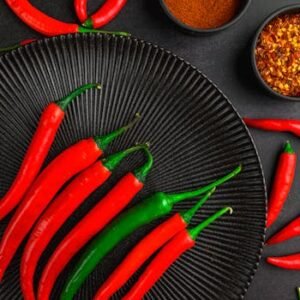
What is Pitta?
Pitta is the Ayurvedic energy of transformation—warm, sharp, and luminous, governing digestion, metabolism, and clarity of mind.
It stays balanced through cooling nourishment, steady routines, and practices that soften intensity into ease.
Why Pitta gets imbalanced
Pitta tends to get imbalanced when the qualities of heat, intensity, and sharpness build faster than the body and mind can cool or soften them.
In daily life, this often happens through long stretches of pressure, constant decision‑making, skipped meals, overly spicy or acidic foods, hot weather, or pushing yourself to stay “on” without enough pauses.
Even emotional heat—like irritation, competitiveness, or perfectionism—can add to the internal fire and tip Pitta out of its steady, luminous state
Pitta in Daily Life
Balanced Pitta feels like clarity without pressure.
When this dosha is steady, your mind stays sharp but not harsh, your motivation flows without tipping into urgency, and your days feel purposeful rather than intense.
You move through tasks with focus and ease, make decisions without overheating, and maintain a sense of inner spaciousness even when life is full.
A balanced Pitta supports healthy digestion, steady confidence, and the ability to express your ideas with warmth instead of force.
How to Pacify Pitta
Pacifying Pitta is about inviting coolness, softness, and moderation into your rhythm.
Think soothing foods, unhurried meals, calming pauses, and practices that gently lower internal heat.
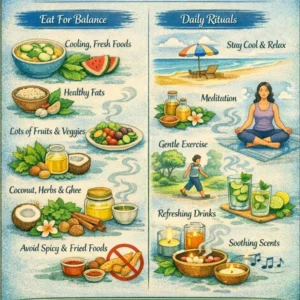
Favoring cooling nourishment, grounding routines, and moments of ease helps soften Pitta’s sharp edges and restore emotional and physical balance.
The practices below offer simple ways to cool, calm, and harmonize Pitta so your days feel more relaxed, steady, and open.
Pitta feels its best when life is cool, calm, and steady.
Whenever your days become intense, fast‑paced, or overly focused, returning to simple cooling practices can help your body and mind settle into a more relaxed rhythm.

Daily Pitta‑Balancing Care
This Pitta‑balancing guide offers soothing, beginner‑friendly daily care you can follow anytime you need more ease, softness, and emotional spaciousness.
It’s designed to be evergreen and supportive through all seasons.
Morning
- Wake up at a consistent time, ideally before the day becomes warm or busy.
- Sip room‑temperature or warm (not hot) water to start the day gently.
- Choose a cooling, grounding breakfast such as cooked grains, fresh fruit, or a mild smoothie.
- Keep mornings calm and unhurried — avoid jumping into intense tasks immediately.
- Choose gentle movement: slow yoga, stretching, or a peaceful walk.
- If using oil before showering, favor cooling oils such as coconut or sunflower.
Midday
- Eat your largest meal of the day between 12–2 PM, when digestion is strongest.
- Favor cooling, lightly spiced, well‑cooked meals.
- Avoid overly spicy, oily, or acidic foods.
- Take a relaxed walk after lunch to support digestion and soften intensity.
- Keep work or tasks steady — avoid pushing through heat, deadlines, or pressure.
Evening
- Eat a light, cooling dinner a few hours before bed.
- Reduce stimulation after sunset — softer lights, calming sounds, and gentle activities.
- Choose soothing evening rituals: reading, warm shower, light stretching, or quiet time outdoors.
- Aim for a consistent bedtime routine that helps the body unwind from the day’s heat and intensity.
Foods to Limit or Avoid (Hot, Oily, Spicy)
- Very spicy foods (chili, cayenne, hot sauces)
- Sour or acidic foods (vinegar, tomatoes, citrus in excess)
- Fried or oily foods
- Fermented foods in excess
- Excess salt
- Alcohol, especially wine
- Caffeine, especially on an empty stomach
- Eating late at night or skipping meals
These foods and habits tend to increase heat, sharpness, and intensity — qualities that can make Pitta feel unsettled.
Foods to Favor (Cooling, Hydrating, Soothing)
- Cooling grains: rice, barley, oats
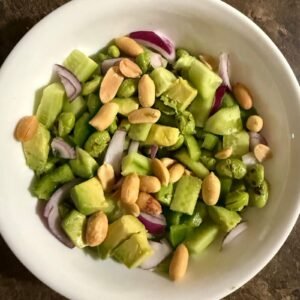
- Sweet, bitter, and astringent vegetables (zucchini, asparagus, leafy greens, cucumber)
- Sweet fruits: melons, pears, grapes, mango, berries
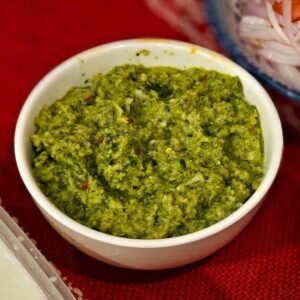
- Cooling herbs and spices: coriander, fennel, mint, cardamom, turmeric
- Healthy fats: ghee, coconut oil, olive oil
- Legumes that are easy to digest: mung dal, red lentils
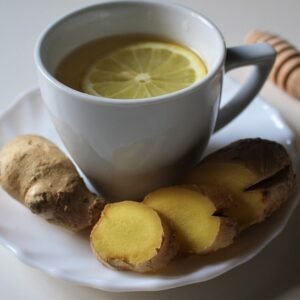
- Cooling herbal teas: mint, rose, fennel, licorice
- Room‑temperature or slightly warm water
These foods help soften heat, intensity, and sharpness — qualities that naturally support Pitta.
Cooking Methods That Support Pitta
- Favor light, cooling cooking methods: steaming, sautéing, simmering.
- Use moderate amounts of healthy fats to keep meals soothing.
- Avoid deep‑frying or heavy roasting.
- Add cooling herbs and spices during cooking.
- Allow foods to cool slightly before eating — not cold, just not piping hot.
These methods help meals feel gentle, balanced, and easier to digest.
Hydration for Pitta
- Sip room‑temperature or slightly cool water throughout the day.
- Avoid iced drinks, which can weaken digestion.
- Choose cooling herbal teas such as mint, rose, fennel, or licorice.
- Add a splash of aloe juice or rose water occasionally for extra cooling.
- Stay hydrated consistently, especially in warm weather.
Steady hydration helps soften heat and maintain balance.
Best Timing for Eating (Steady, Not Rushed)
- Eat meals at consistent times each day.
- Breakfast: light and cooling; avoid skipping.
- Lunch: your largest meal, ideally between 12–2 PM.
- Dinner: light, cooling, and eaten early.
- Avoid eating when stressed, rushed, or overheated.
A predictable eating rhythm helps Pitta stay calm and grounded.
Rest & Sleep (Cooling, Calming, Unwinding)
- Maintain a consistent sleep schedule.
- Create a soothing pre‑sleep routine: warm shower, gentle stretching, soft music, or quiet reading.
- Keep the bedroom cool, dark, and peaceful.
- Reduce screen time and stimulating activities before bed.
- Choose calming scents or sounds if they help you unwind.
Cooling rest is one of the most effective ways to support Pitta.
Cooling Breath & Mindfulness
- Choose slow, cooling breathing practices such as gentle belly breathing.
- Avoid fast, heating breathwork.
- Spend a few minutes each day in quiet reflection or grounding awareness.
- Keep mindfulness soft and non‑competitive — no striving or intensity.
These practices help soften Pitta’s natural drive and bring ease.
Gentle Lifestyle Anchors
- Prioritize cool environments, calming colors, and soothing sounds.
- Move at a steady pace — avoid overworking or pushing through heat.
- Choose grounding activities: nature walks, journaling, creative hobbies.
- Limit excessive heat exposure, intense exercise, and long hours in the sun.
- Build small rituals that create calm and predictability throughout your day.
These anchors help create the sense of ease and spaciousness Pitta needs to feel supported.
How to Use This Guide
This guide is your foundation. Whenever a Brioveda post mentions Pitta imbalance or Pitta‑related concerns, return to this page for the core practices.
Each problem‑specific post may offer small variations or special tips based on the situation, but this guide remains your steady base — cooling, soothing, and supportive anytime you need it.
If this brought you clarity today, feel free to share it with someone who might need it.