Sometimes you just want a cozy bowl of pasta — something warm, satisfying, and easy to digest. But traditional pasta dishes can feel heavy, especially on days when sluggishness is already high.
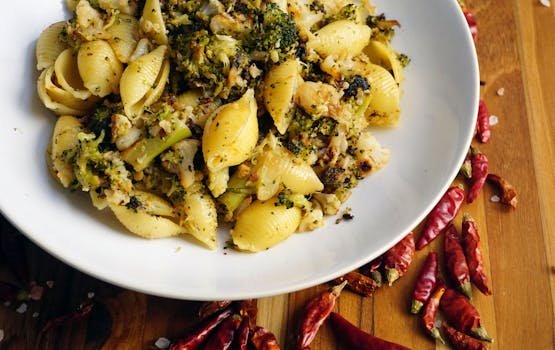
That’s where this warming pasta twist comes in. It keeps the comfort but adds a light, uplifting feel through simple ingredient swaps and warm spices.
This version uses gram‑flour (chickpea) pasta, a naturally lighter, protein‑rich option that doesn’t create the heaviness of wheat.
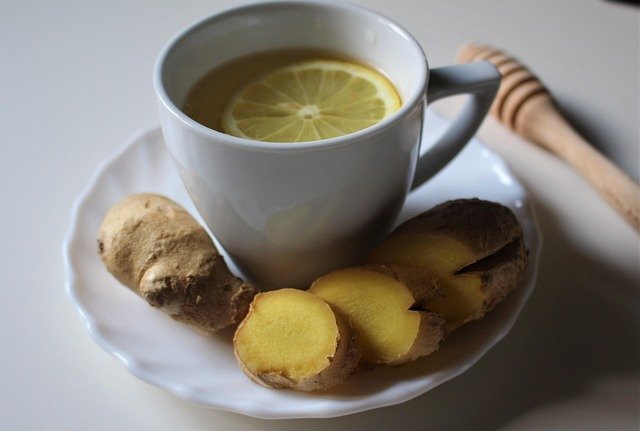
Then we layer in ginger, chili, asafetida, and black pepper — four ingredients known for their warming, digestive‑supportive qualities.
The result is a bowl that feels grounding yet energizing, cozy yet clear.
What We Know So Far
Many people already use simple “healthy pasta twists” like reducing butter, skipping heavy cream, or adding vegetables. But when we look at it through a sluggishness‑friendly lens, a few specific choices make a big difference:
1. Reduce Fat & Oil
When digestion is naturally slower, so heavy oils or butter can feel too dense. Using just a small amount of oil keeps the dish light while still giving flavor.
2. Choose Gram/Chickpea Flour Pasta
Gram flour pasta is:
- naturally gluten‑free
- higher in protein
- lighter on the stomach
- less likely to create post‑meal sluggishness
It gives the comfort of pasta without the Kapha heaviness.
3. Add Ginger & Chili
These two are well‑known for their warming, stimulating qualities. They help “wake up” digestion and reduce that cold, damp Kapha feeling.
4. Use Asafetida (Hing)
A tiny pinch goes a long way. Hing is traditionally used to support digestion, reduce bloating, and add a savory depth without garlic or onion.
5. Add Black Pepper
Black pepper increases warmth and supports the absorption of nutrients. It also balances the earth‑water heaviness of Kapha.
Properties & Uses of these Ingredients
From a general wellness perspective:
- Ginger and chili are known for supporting circulation.
- Chickpea pasta offers fiber and plant‑based protein.
- Black pepper contains piperine, studied for improving nutrient absorption.
- Asafetida has been used traditionally to support digestion and reduce gas.
While these ingredients are not medical treatments, they are widely used in everyday cooking to support comfort and digestion.
Related Research & Wellness Trends
- Chickpea pasta sales have grown significantly in the last few years as people look for lighter, protein‑rich alternatives.
- Ginger remains one of the most commonly used home ingredients for digestive comfort.
- Black pepper and chili are widely used in global cuisines for their warming and stimulating qualities.
- Many wellness communities highlight gram‑flour dishes as easier to digest compared to wheat‑based meals.
These trends show a growing interest in foods that feel comforting but don’t weigh the body down.
- Ginger brings warmth and movement.
- Chili adds heat and stimulation.
- Asafetida supports digestion and reduces stagnation.
- Black pepper adds lightness and enhances absorption.
- Gram‑flour pasta is lighter, drier, and more energizing than wheat — perfect for Kapha.
Together, they create a meal that feels comforting but not dulling, warm but not overwhelming.
Energizing Pasta
Prep Time: 10 minutes
Cook Time: 12–15 minutes
Serves: 2
Ingredient List
- 2 cups gram‑flour (chickpea) pasta
- 1 tablespoon oil (use minimal for Kapha balance)
- 1 teaspoon grated fresh ginger
- ½–1 small green chili, finely chopped (adjust to comfort)
- 1 pinch asafetida (hing)
- ¼ teaspoon black pepper
- ½ teaspoon cumin seeds (optional, for depth)
- 1 cup mixed light vegetables (spinach, zucchini, broccoli — optional)
- Salt to taste
- Lemon juice, to finish
- Fresh cilantro or basil, chopped (optional)
Instructions
- Cook the gram‑flour pasta according to package directions. Drain and set aside.
- In a pan, warm the oil and add cumin seeds (if using). Let them sizzle lightly.
- Add ginger, chili, and asafetida. Sauté for 30–40 seconds until fragrant.
- Add vegetables (if using) and cook until just tender.
- Add the cooked pasta, salt, and black pepper. Toss gently to coat everything in the warm spices.
- Turn off the heat and finish with a squeeze of lemon and fresh herbs.
- Serve warm — light, cozy, and Kapha‑balancing.
Troubleshooting
- Pasta feels too dry: Add 1–2 tablespoons of the pasta cooking water to loosen it.
- Too spicy: Reduce chili and rely more on ginger for gentle warmth.
- Flavor feels flat: Add a pinch more black pepper or a squeeze of lemon for brightness.
- Too heavy: Reduce oil and increase herbs or lemon to lighten the dish.
- Hing tastes strong: Use just a tiny pinch — a little goes a long way.
Tips to Balance the Taste
- Add a squeeze of lemon at the end for brightness.
- Sprinkle fresh cilantro or basil to add freshness.
- Add a pinch of cumin or coriander if you want more depth without heaviness.
- Keep the oil minimal — the spices bring enough richness.
- If chili feels too strong, reduce it and increase ginger for a gentler warmth.
🌿The Twist
Use this gram‑dal paste as a light pasta sauce:
- One of my favorite ways to make this pasta even more Kapha‑friendly is to use a simple gram‑dal paste instead of a heavy sauce.
- I soak 1 tablespoon split gram dal (chana dal) and blend it with ginger, chili, asafetida, black pepper, and a splash of water to make a smooth paste.
- When warmed in the pan, it becomes a light, protein‑rich sauce that coats the pasta beautifully without adding heaviness.
- It keeps the dish warm, cozy, and easy to digest — especially helpful for Kapha days or for anyone who prefers lighter meals.
If you’ve been craving comfort food but want something that supports your energy and digestion, this warming pasta twist is a beautiful place to start.
It’s simple, warming, and easy to make on busy days. Try it this week and notice how your body feels after a lighter, spice‑balanced bowl.
Q & A
Q: Can I use regular wheat pasta?
A: You can, but gram‑flour pasta keeps the dish lighter and more Kapha‑friendly.
Q: Is this recipe too spicy?
A: You can adjust chili to your comfort level — ginger and black pepper still give warmth.
Q: Can I add vegetables?
A: Yes — light veggies like spinach, zucchini, or broccoli work beautifully.
Q: Is asafetida necessary?
A: Not required, but it adds a lovely savory note and supports digestion.
Q: Can this be eaten in summer?
A: Yes — just reduce chili and add more lemon or herbs for a cooling balance.
Takeaway
🌿A few small twists — lighter pasta, warm spices, and mindful seasoning — can turn a regular pasta bowl into a digestion‑friendly meal.
🌿It’s comfort food that leaves you feeling clear, warm, and energized.
🌿 Keep Your Digestion Light and Energized All Week
If you love finding simple kitchen swaps that beat heavy, sluggish feelings after meals, you will love my complete 7-Day Vegetarian Cooling Food Blueprint. I mapped out an effortless, printable one-page meal matrix designed to keep your digestion smooth, reduce bloating, and restore your natural daily energy.
👉 [ Click Here to Download Your Free 1-Page Food Blueprint! ]