
Did you know that recent research from Cornell University shows people respond completely differently to the exact same amount of fiber depending on their unique gut microbiome?
While eating enough fiber is essential for everyday digestion, adding too much of it too quickly can easily overwhelm your system.
When you experience that sudden, heavy feeling on a low-movement day, the solution isn’t to cut out fiber entirely.
Instead, traditional wellness wisdom suggests balancing your daily rhythm with a simple, soothing beverage swap.
📊 The Quick-Read Summary
Feeling heavy or bloated after eating is often a sign that your daily food textures are moving too slowly for your system.
For individuals with a naturally slower metabolic body style, shifting away from dense, dry bulk and focusing on warm, highly hydrated choices can instantly kickstart sluggish bowels and restore daily comfort.
- Core Focus: Easing an overloaded digestive tract through smart lifestyle pacing.
- The Food Swap: Swapping heavy, dry, raw foods (like massive cold salads) for warm, lightly cooked equivalents.
- The Habit Change: Ensuring proper fluid timing to help your unique body style process meals smoothly
When Healthy Foods Feel Heavy: Understanding Heavy Stomach
We are often told to add more whole grains, flaxseeds, and raw vegetables to our meals for optimal health.
However, a rapid increase in fiber—especially when you are sitting at a desk job all day—can leave your digestive tract feeling sluggish and uncomfortable.
In traditional wellness, this heavy, blocked sensation occurs when your internal digestive fire (Agni) is faced with too much bulk to process at once.
This is particularly true during cold winter months or inactive days when your natural metabolism needs extra warmth and lubrication to keep things moving smoothly.
When fiber overload happens, your system doesn’t need medication; it simply asks for a temporary shift toward softer, warmer, and more supportive daily choices.
Why Cold Drinks Out, Spiced Buttermilk In Works
When your stomach feels full and heavy from fiber, reaching for an iced soda, cold water, or a chilled juice can actually make the problem worse.
Cold temperatures tend to constrict your digestive tract and dim your metabolic fire, leaving the heavy fiber sitting in your stomach even longer.
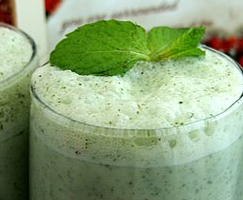
Instead, traditional routine favors swapping any cold beverage for a room-temperature glass of spiced buttermilk, traditionally known as chhash.
Unlike heavy, thick yogurt, buttermilk is light, refreshing, and easily absorbed by the body.
When it is mixed with a few targeted kitchen spices, it acts as a gentle digestive aid.
The natural qualities of spiced chhash help cushion your digestion, break down the extra fiber bulk, and bring a rapid sense of lightness back to your afternoon.
Simple Steps to Settle Your System
If you are experiencing temporary digestive discomfort from too much fiber, you can easily support your system with this gentle, traditional routine:
- Pause and Swap: Skip cold, heavy drinks and enjoy a room-temperature glass of spiced buttermilk (chhash) instead.
- Prepare Your Chhash: Combine a glass of buttermilk with small pinches of rock salt, black pepper, cumin powder, and a tiny bit of hing (asafetida) to aid digestion.
- Move Gently: Engage in light activity, such as a 20-minute walk, to encourage natural, easy movement.
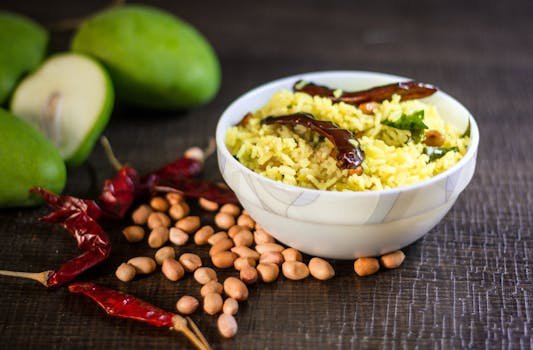
- Keep Meals Light: Opt for warm, well-cooked meals like rice and lentil porridge (khichari) with a little ghee to support your digestion.
🌿For a complete step-by-step guide, see the khichari recipe.
🌿Eat khichari a bit warm or at room temperature. Add half a teaspoon of ghee in the khichari or khichadi. Eat it with 2-3 tablespoons of dahi (see dahi – yogurt recipe).
After an hour or two, you will feel it passing through your stomach and calming it down!
Common Questions
Q: Why choose buttermilk over regular yogurt for a heavy stomach?
A: According to traditional practices, regular yogurt can be too thick, while properly prepared, diluted buttermilk (chhash) is light, refreshing, and significantly easier to process.
Q: Can I use a pre-mixed spice blend?
A: Yes, you can use a pre-made “chhash masala” from an international market, which contains traditional spices like cumin and hing.


Very well explained, thank you so much for sharing this.